
Enhancing Systems with CFD Optimization Services

When it comes to improving mechanical and industrial systems, precision and efficiency are paramount. Over the years, I've seen how CFD optimization services have transformed the way businesses approach design and operational challenges. Computational Fluid Dynamics (CFD) is no longer just a theoretical tool; it’s a practical, indispensable resource for engineers aiming to optimize fluid flow, heat transfer, and other complex phenomena in their systems.
CFD allows us to simulate real-world conditions virtually, saving time and resources while enhancing product performance. In this post, I’ll walk you through the benefits of CFD consulting, explain why it’s not as difficult as it seems, and share actionable insights on how to leverage these services to boost your system’s efficiency.
Unlocking Potential with CFD Optimization Services
CFD optimization services provide a detailed understanding of fluid behavior within a system. Whether you’re dealing with air flow in HVAC units, liquid flow in pipelines, or heat dissipation in electronic devices, CFD simulations offer a window into the unseen dynamics that affect performance.
By integrating CFD into your design process, you can:
Identify inefficiencies early: Spot potential bottlenecks or turbulence zones before physical prototypes are built.
Reduce costs: Minimize expensive trial-and-error testing by validating designs virtually.
Enhance product lifespan: Optimize cooling and flow to prevent premature wear or failure.
Improve safety: Predict hazardous flow conditions and mitigate risks proactively.
For example, a manufacturing plant struggling with uneven airflow in its ventilation system used CFD optimization to redesign duct layouts. The result? A 20% increase in airflow efficiency and a significant drop in energy consumption.
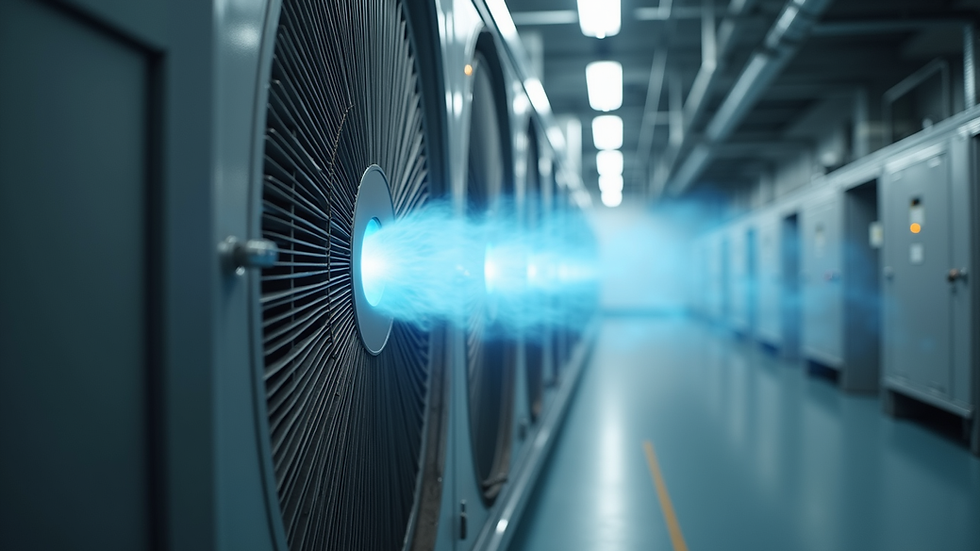
CFD optimization services are not just about tweaking designs; they are about rethinking how systems operate under real conditions. This approach leads to smarter, more sustainable engineering solutions.
Is CFD Difficult?
Many hesitate to adopt CFD because it sounds complex. But here’s the truth: while CFD involves advanced mathematics and physics, modern tools and expert consulting make it accessible.
The key challenges often include:
Understanding the physics: Fluid dynamics can be intricate, but focusing on the specific problem helps simplify the approach.
Setting up simulations: Defining boundary conditions and mesh quality requires attention but is manageable with experience.
Interpreting results: CFD outputs vast data, but targeted analysis reveals actionable insights.
With the right guidance, these challenges become manageable. Partnering with experts in computational fluid dynamics consulting ensures you get accurate simulations without the steep learning curve.
For instance, a client in the automotive sector initially found CFD intimidating. After collaborating with consultants, they quickly grasped how to use simulation results to improve engine cooling, reducing overheating incidents by 15%.
Practical Applications of CFD in System Enhancement
CFD optimization services span a wide range of industries and applications. Here are some practical examples where CFD has made a tangible difference:
HVAC Systems
Optimizing airflow and temperature distribution in buildings to improve comfort and reduce energy use.
Automotive Engineering
Enhancing aerodynamics to reduce drag and improve fuel efficiency.
Chemical Processing
Improving mixing and reaction rates in reactors by analyzing fluid flow patterns.
Electronics Cooling
Designing heat sinks and ventilation to prevent overheating of sensitive components.
Water Treatment
Simulating flow in filtration systems to maximize contaminant removal.
Each application benefits from the ability to visualize and quantify fluid behavior, enabling engineers to make informed decisions.

How to Get Started with CFD Optimization Services
If you’re considering integrating CFD into your engineering workflow, here are some steps to get started:
Define your objectives clearly: What problem are you trying to solve? Is it improving flow efficiency, reducing heat, or something else?
Gather accurate data: Geometry, material properties, and operating conditions are essential inputs.
Choose the right software or partner: While many CFD tools exist, working with a consulting firm can accelerate results.
Validate your model: Compare simulation results with experimental or field data to ensure accuracy.
Iterate and optimize: Use insights to refine designs and test alternatives virtually.
By following these steps, you can harness the full power of CFD without unnecessary complexity.
The Future of System Design with CFD
Looking ahead, CFD optimization services will continue to evolve with advances in computing power and AI integration. This means faster simulations, more accurate models, and even greater accessibility for businesses of all sizes.
For companies aiming to stay competitive, embracing CFD is not just an option but a necessity. It enables innovation, reduces costs, and improves product reliability.
If you want to enhance your systems with cutting-edge engineering solutions, consider how CFD consulting can be a game-changer. With the right expertise, you can unlock new levels of performance and efficiency.
By integrating CFD optimization services into your engineering projects, you’re investing in smarter, more effective solutions that drive success. Whether it’s improving airflow, optimizing heat transfer, or enhancing fluid dynamics, the benefits are clear and measurable. Take the step today to explore how computational fluid dynamics consulting can elevate your systems to the next level.


Comments