
Value Stream Mapping Benefits for Manufacturing Excellence

When it comes to optimizing manufacturing processes, value stream mapping (VSM) stands out as a powerful tool. I’ve seen firsthand how this method can transform operations, reduce waste, and boost efficiency. If you’re looking to elevate your manufacturing game, understanding the ins and outs of value stream mapping is essential.
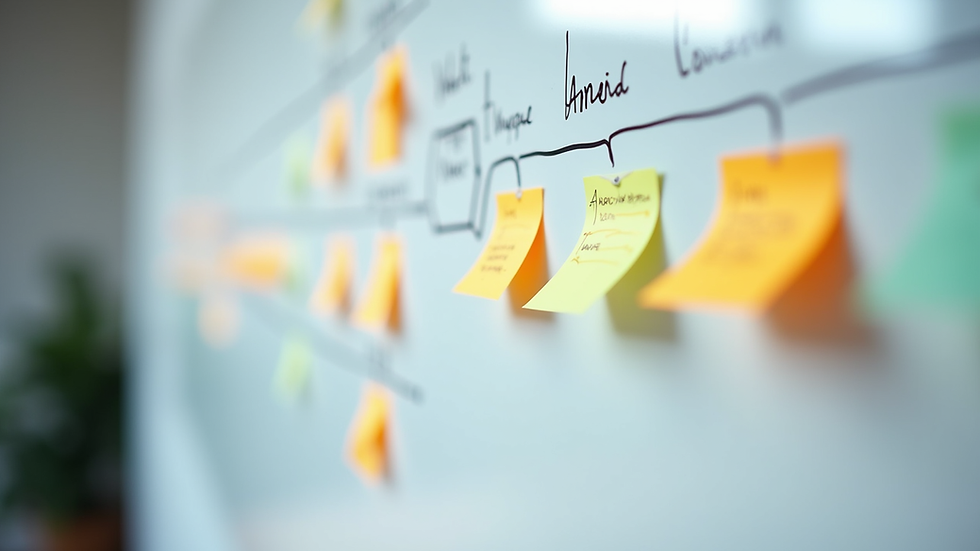
Value stream mapping is more than just a diagram; it’s a strategic approach to visualize every step in your production process. By identifying bottlenecks and non-value-added activities, you can streamline workflows and improve overall performance. Let’s dive into the details and explore how VSM can bring manufacturing excellence to your business.
Understanding Value Stream Mapping Benefits
Value stream mapping benefits manufacturers by providing a clear, visual representation of the entire production process. This clarity helps teams identify inefficiencies and areas for improvement that might otherwise go unnoticed.
Some key benefits include:
Waste reduction: VSM highlights unnecessary steps, delays, and excess inventory, enabling targeted waste elimination.
Improved lead times: By optimizing the flow of materials and information, production cycles become faster and more predictable.
Enhanced communication: The visual nature of VSM fosters better collaboration between departments and stakeholders.
Cost savings: Streamlined processes reduce operational costs and improve resource utilization.
Customer satisfaction: Faster delivery and higher quality products lead to happier customers.
For example, a manufacturer struggling with long lead times used value stream mapping to identify redundant inspections and excessive waiting periods. After addressing these issues, they cut their lead time by 30%, significantly improving their market responsiveness.

How to Create an Effective Value Stream Map
Creating a value stream map might seem daunting at first, but breaking it down into manageable steps makes the process straightforward. Here’s a practical approach:
Select the product or product family: Focus on a specific product line to keep the mapping relevant and actionable.
Map the current state: Document every step from raw materials to finished goods, including information flow and material movement.
Identify waste and bottlenecks: Look for delays, excess inventory, rework, and other inefficiencies.
Design the future state: Envision an optimized process that eliminates waste and improves flow.
Develop an action plan: Prioritize improvements and assign responsibilities for implementation.
Implement and review: Put changes into practice and monitor results, adjusting as needed.
Throughout this process, involving cross-functional teams ensures a comprehensive view and buy-in from all stakeholders. If you’re unsure about how to get started or want expert guidance, consulting a value stream mapping consultant can provide tailored support and accelerate your progress.
Is $100 an hour good for consulting?
When considering consulting rates, $100 an hour is often seen as a reasonable benchmark, especially for specialized fields like manufacturing process improvement. However, the value you receive depends on the consultant’s expertise, the complexity of your project, and the potential return on investment.
For example, a consultant charging $100 an hour who helps reduce your production lead time by 20% or cuts waste by 15% can quickly pay for themselves through cost savings and increased throughput. It’s important to evaluate consultants not just by their hourly rate but by the measurable impact they deliver.
If you’re weighing options, consider:
The consultant’s track record and industry experience.
The scope and duration of your project.
The specific outcomes you want to achieve.
Ultimately, investing in the right expertise can unlock significant value for your manufacturing operations.
Practical Tips for Maximizing Value Stream Mapping Success
To get the most out of value stream mapping, keep these actionable recommendations in mind:
Start small: Begin with a single product line or process to build confidence and demonstrate quick wins.
Engage your team: Include operators, supervisors, and managers in the mapping sessions to capture diverse insights.
Use real data: Base your map on actual cycle times, inventory levels, and defect rates rather than estimates.
Focus on flow: Prioritize improvements that enhance the smooth movement of materials and information.
Iterate regularly: Value stream mapping is not a one-time exercise; revisit and update your maps as processes evolve.
Leverage technology: Digital tools can simplify mapping and enable real-time monitoring of key metrics.
By following these tips, you’ll create a culture of continuous improvement that drives manufacturing excellence.
Beyond Mapping: Sustaining Manufacturing Excellence
Value stream mapping is a critical step, but sustaining manufacturing excellence requires ongoing commitment. After implementing improvements, focus on:
Standardizing processes: Document best practices and train employees to maintain consistency.
Monitoring performance: Use key performance indicators (KPIs) to track progress and identify new opportunities.
Encouraging feedback: Create channels for frontline workers to suggest improvements and report issues.
Investing in skills: Provide continuous training on lean principles and problem-solving techniques.
Aligning goals: Ensure that operational improvements support broader business objectives.
By embedding these practices into your organizational culture, you’ll maintain the momentum generated by value stream mapping and continue to optimize your manufacturing operations.
Value stream mapping offers a clear path to manufacturing excellence by revealing hidden inefficiencies and guiding targeted improvements. Whether you’re just starting or looking to refine your processes, this approach delivers measurable benefits that impact your bottom line. If you want expert help, a value stream mapping consultant can provide the insights and support needed to accelerate your journey toward operational excellence.


Comments